Class 7 wastewater story notes
Questions covered are
- 1. What is wastewater?
- 2. Why is clean water important?
- 3. What is sewage?
- 4. What happens to wastewater?
- 5. What are the stages of wastewater treatment?
- 6. What is sludge and how is it treated?
- 7. What is the role of sanitation in preventing diseases?
- 8. What are alternative sewage disposal methods?
- 9. How can we improve sanitation in public places?
- 10. What can individuals do to reduce wastewater?
- 11. Relationship Between Sanitation and Disease
- Conclusion
1. What is wastewater?
- Wastewater is the water that has been used in homes, industries, and other places, which now contains impurities such as food waste, detergents, human and animal excreta, and industrial chemicals.
- It includes water from kitchens, bathrooms, toilets, laundries, factories, and agricultural fields.
- This wastewater must be cleaned before it is released into the environment, as it can cause severe water pollution and health hazards.
- The main sources of wastewater include:
- Domestic waste from households (kitchens, bathrooms, and toilets).
- Industrial waste containing chemicals and harmful substances.
- Agricultural runoff that carries pesticides and fertilizers.
2. Why is clean water important?
- Clean water is essential for human survival and for various daily activities such as drinking, cooking, bathing, and irrigation.
- Contaminated water leads to serious health problems such as diarrhea, cholera, typhoid, and other waterborne diseases.
- More than one billion people worldwide lack access to safe drinking water, leading to millions of deaths every year, especially among children.
- The demand for freshwater is increasing due to population growth, pollution, and industrialization, making water conservation and treatment necessary.
- The United Nations launched the “Water for Life” decade (2005-2015) to reduce the number of people without access to clean water.
3. What is sewage?
- Sewage is the wastewater released from homes, factories, hospitals, and public places.
- It consists of liquid waste that contains organic and inorganic impurities, including harmful microorganisms.
- Rainwater that runs off roads, carrying dirt, oil, and chemicals, also forms part of sewage.
- Sewage must be properly treated before being released into rivers or seas to prevent pollution and health hazards.
Table 1: Common Contaminants in Sewage
| Type of Impurity | Examples |
|---|---|
| Organic Impurities | Human and animal waste, oil, pesticides, food waste |
| Inorganic Impurities | Nitrates, phosphates, heavy metals (lead, mercury) |
| Nutrients | Phosphorus, nitrogen (from fertilizers) |
| Bacteria | Vibrio cholerae (causes cholera), Salmonella typhi (causes typhoid) |
| Other Microbes | Protozoa (cause dysentery), viruses (cause hepatitis) |
4. What happens to wastewater?
- Wastewater from households and industries is collected through underground pipes and open drains.
- It is transported to a sewage treatment plant (STP), where it undergoes a series of purification processes.
- The cleaned water is then released into rivers, lakes, or reused for irrigation and industrial purposes.
- In many rural areas, where there is no proper sewage system, wastewater is often discharged untreated, leading to severe pollution.
5. What are the stages of wastewater treatment?
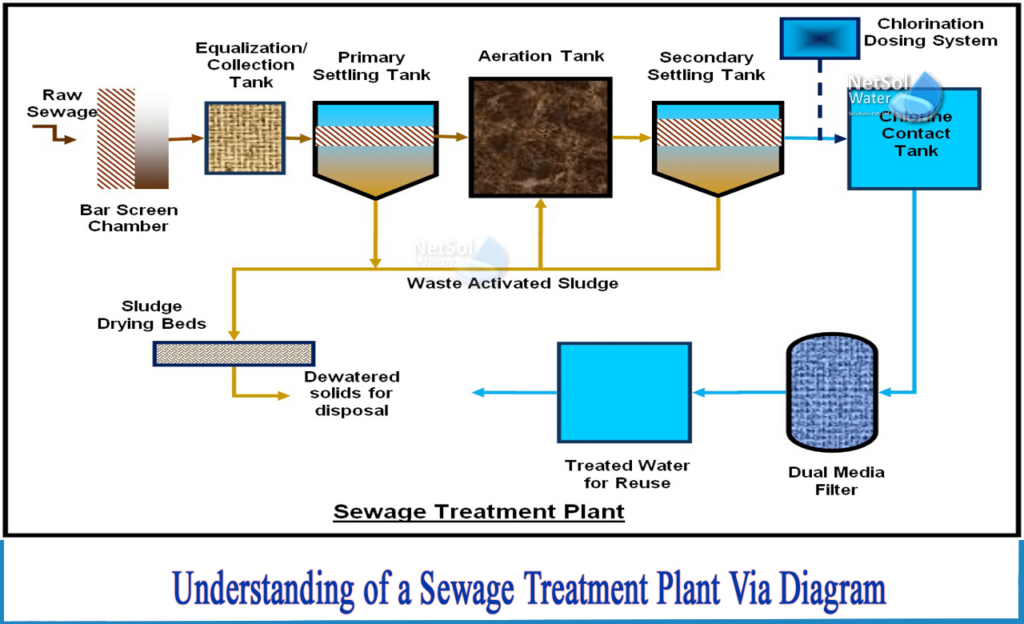
- Primary Treatment:
- Large debris such as plastic, rags, and sticks are removed using bar screens.
- Water flows into grit and sand removal tanks, where heavy particles settle at the bottom.
- The remaining liquid is sent to sedimentation tanks, where solid waste (sludge) settles down, and grease and oil float on top.
- Secondary Treatment:
- The partially treated water is aerated by adding oxygen, which encourages the growth of bacteria that break down organic waste.
- These bacteria consume waste materials, converting them into harmless substances.
- After several hours, the activated sludge settles at the bottom, and the clean water is separated.
- Tertiary Treatment:
- Water is passed through sand filters to remove remaining impurities.
- It is disinfected using chlorine or ozone to kill harmful bacteria and viruses.
- The treated water is now safe for release into water bodies or reuse.
6. What is sludge and how is it treated?
- Sludge is the solid waste that settles at the bottom of sedimentation tanks during wastewater treatment.
- It contains organic matter, bacteria, and other impurities.
- Treatment of sludge involves:
- Drying it using sand drying beds or mechanical presses.
- Decomposing it using anaerobic bacteria, which produce biogas (used as a fuel for electricity generation or cooking).
- Using dried sludge as manure in agriculture to improve soil fertility.
7. What is the role of sanitation in preventing diseases?
- Poor sanitation leads to contamination of drinking water, spreading diseases such as cholera, typhoid, dysentery, and hepatitis.
- Proper disposal of human waste, garbage management, and sewage treatment are essential for maintaining hygiene.
- People should use toilets instead of open defecation, as untreated human excreta pollutes the environment and groundwater.
8. What are alternative sewage disposal methods?
- Septic Tanks: Used in areas without proper sewage systems; they treat waste locally.
- Chemical Toilets: Use chemicals to break down waste; commonly used in airplanes and trains.
- Composting Toilets: Convert human waste into compost, which can be used as fertilizer.
9. How can we improve sanitation in public places?
- Install proper drainage systems in crowded areas such as railway stations and markets.
- Use dustbins to dispose of garbage instead of littering.
- Raise awareness about hygiene and cleanliness.
- The government should enforce strict sanitation laws and implement cleanliness programs like “Swachh Bharat Abhiyan.”
10. What can individuals do to reduce wastewater?
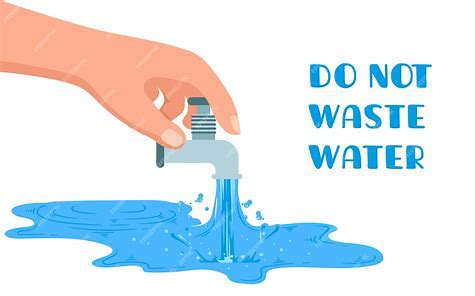
- Fix leaking taps and pipes to conserve water.
- Use water-efficient appliances such as low-flow showers and dual-flush toilets.
- Avoid throwing fats, oils, and chemicals down the drain, as they clog pipes and interfere with wastewater treatment.
- Dispose of solid waste like tea leaves, food remains, and sanitary products in dustbins instead of flushing them.
11. Relationship Between Sanitation and Disease
- Contaminated water spreads infections when used for drinking, bathing, or cooking.
- Proper sanitation practices, such as using toilets, maintaining clean surroundings, and ensuring proper waste disposal, can prevent diseases.
Table 2: Common Waterborne Diseases and Their Causes
| Disease | Cause |
| Cholera | Drinking contaminated water with Vibrio cholerae |
| Typhoid | Consuming food or water contaminated with Salmonella bacteria |
| Dysentery | Drinking water containing harmful protozoa |
| Hepatitis | Viral infection caused by contaminated water sources |
Conclusion:
- Wastewater treatment is essential to protect human health and the environment.
- Proper sanitation practices help prevent diseases and promote hygiene.
- Everyone must take responsibility for reducing water pollution and conserving clean water resources.
Useful links:
